Ausora®
June 25, 2025
The True Cost of Colour: A 4,000-Year-Old Problem

Humans have been dyeing fabric with water and pigments for over 4,000 years
Humans have been dyeing fabric with water and pigments for over 4,000 years
Humans have been dyeing fabric with water and pigments for over 4,000 years.
From the Indus Valley Civilization to Ancient Egypt and Mesopotamia, early textile makers immersed cotton, wool, and linen in plant-based dye baths. They boiled roots, leaves, and minerals in water to bring colour to life.
This process, revolutionary in its time, became the foundation of global textile production. But today, it's part of the problem.
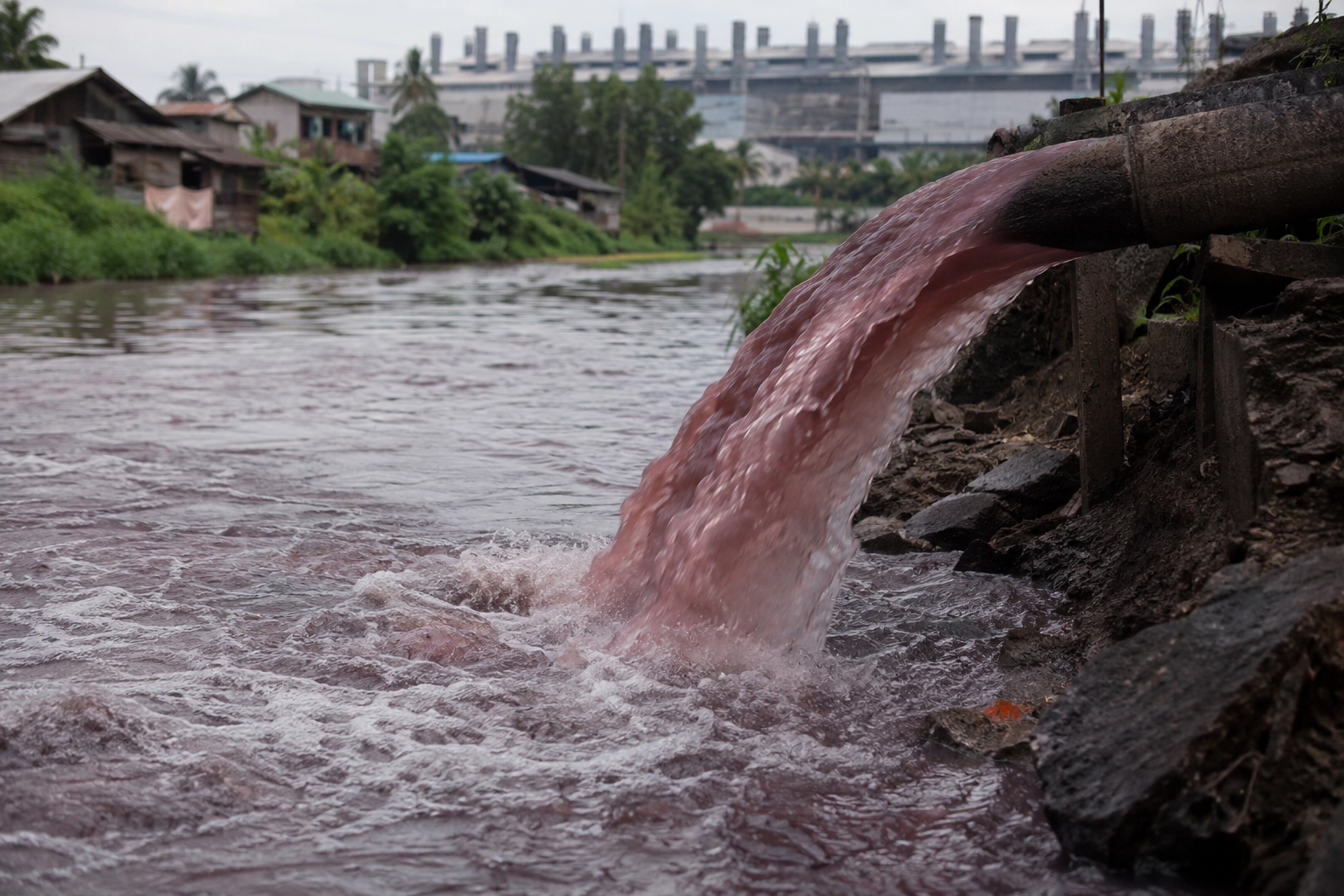
The modern textile industry produces trillions of litres of wastewater every year. This wastewater is often contaminated with heavy metals, synthetic dyes, and chemical auxiliaries that, when improperly treated, can pollute rivers, damage ecosystems, and endanger public health.
We’re breaking this legacy with Ausora: a water-free dyeing and finishing technology that applies vibrant, durable colour using plasma technology, not liquid baths.
What makes Ausora different:
- Zero wastewater discharge — no need for expensive water treatment plants
- 97% less chemical input
- Lower capex and operating costs for mills and brands
- Saves water for agriculture and community use
- Enables localised, efficient, just-in-time manufacturing
While legacy methods rely on water as a medium, Ausora utilises electricity, argon gas, and minimal chemistry: eliminating the complexity of multiple rinse, fix, and wash cycles altogether.
It’s more than a sustainability upgrade. It’s a technology leap forward.
Let’s leave the dye bath in the past. We are helping to build the future of textiles: clean, efficient, and water-free.